Historical Timeline:
Universal Design for
Educational Technology
For Foundations of Learning Design and Technology, we explored how the purposes, principles, and practitioners in the of instructional design have changed over time.
When I entered JMU's LDT program, I had some fragmented experiences of working alongside ISDs developing adult training and a basic understanding of accessibility for digital media. I chose to explore the history of instructional design through the lens of accessibility to better understand how the concept of Universal Design was developed and then adapted for educational technology.
To build the timeline, I first selected key developments and summarized the relevant content from several academic sources, so learners could see how intertwined these concepts have been from their inception.
I chose Adobe Express to produce the timeline, partially to explore a new-to-me tool and partially because of its clean and simple template design. Recently, I have used Figma to stitch the original split image into a single image and add an arrow to unify.
This artifact meets Objective 1 as it shows application of foundational knowledge and skills to the design and use of content, pedagogy, and instructional technologies.
By matching the graphic format of a timeline to the concept of understanding change in the instructional design field over time, this infographic uses assimilation theory to map new information about historical events to my existing knowledge of instructional design and accessibility.
Click to view the full image.
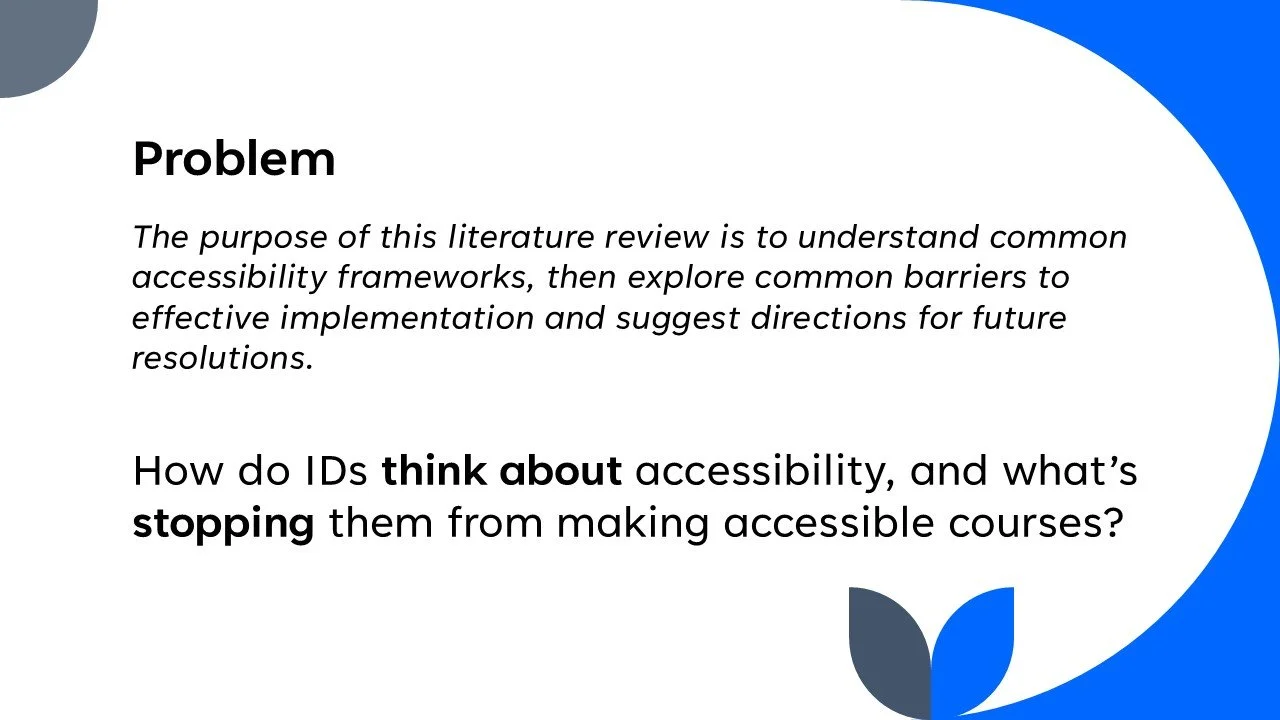
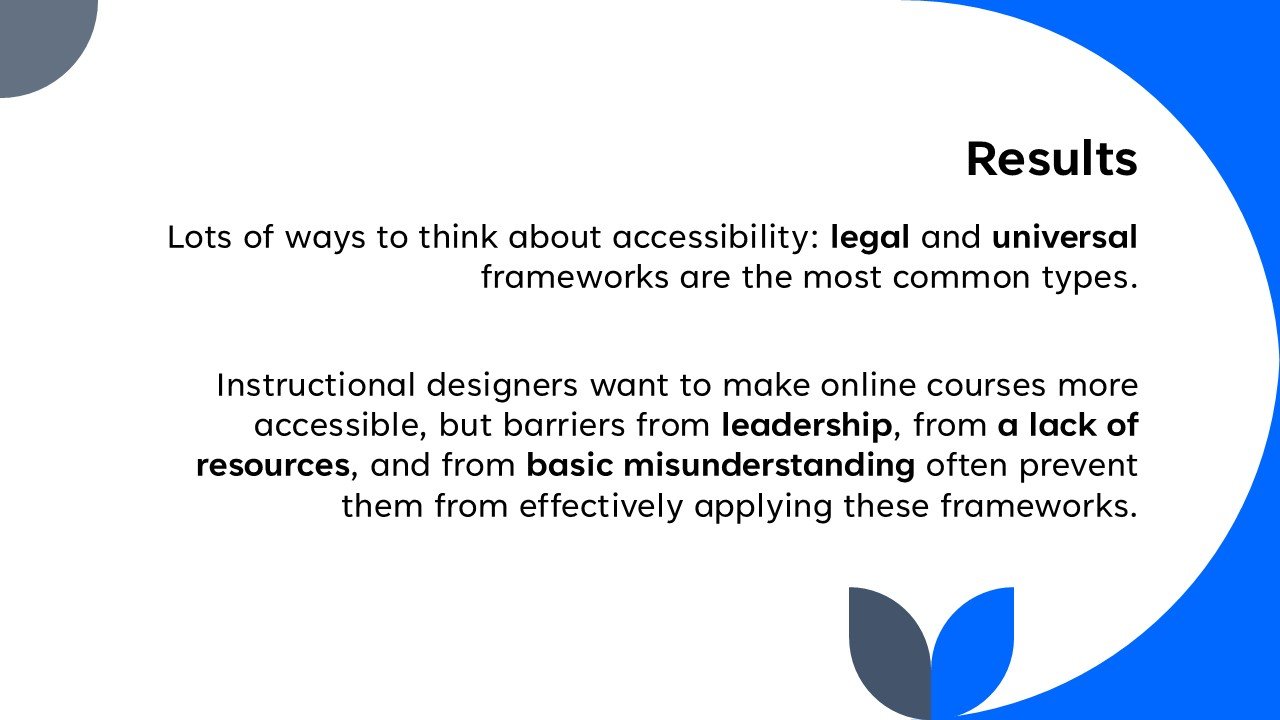
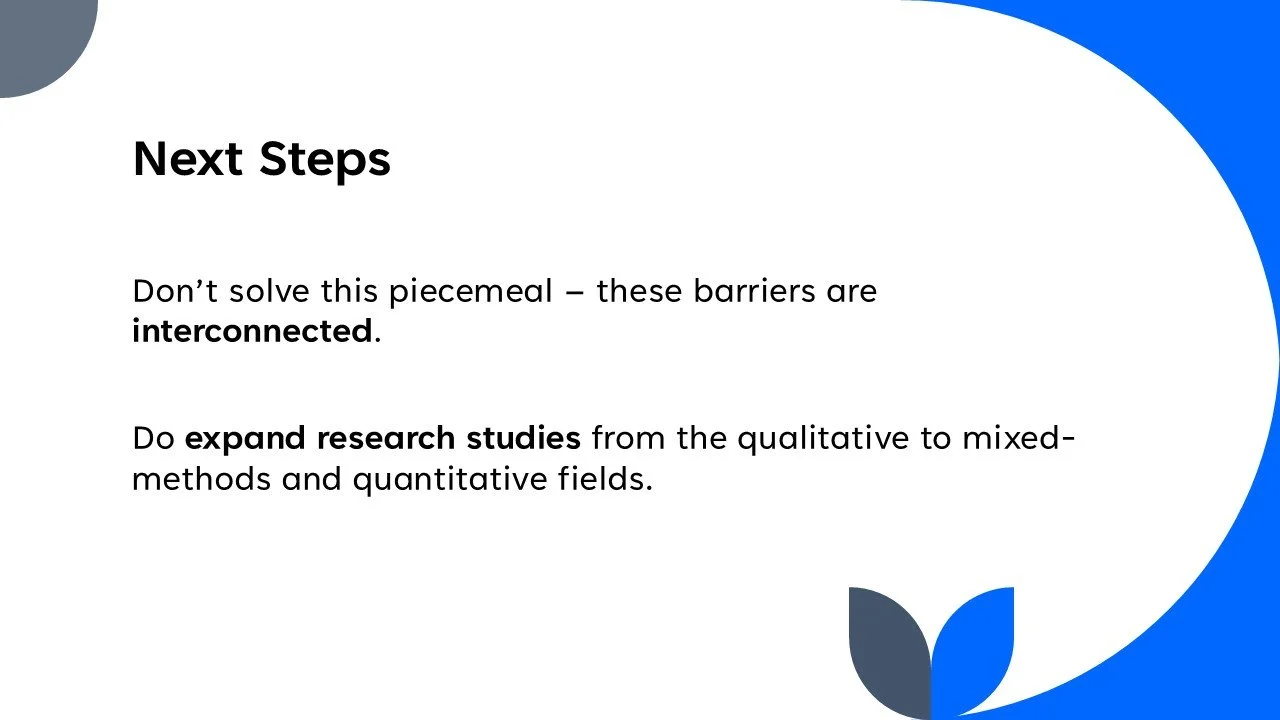
The associated literature review extends this thesis into a deeper exploration of common barriers to effective implementation of UDL principles in digital learning environments.